The La Jolla Restaurant Boom Is Splitting in Two, and That's Good News for Your Tuesday Table
September 10, 2026
September 10, 2026
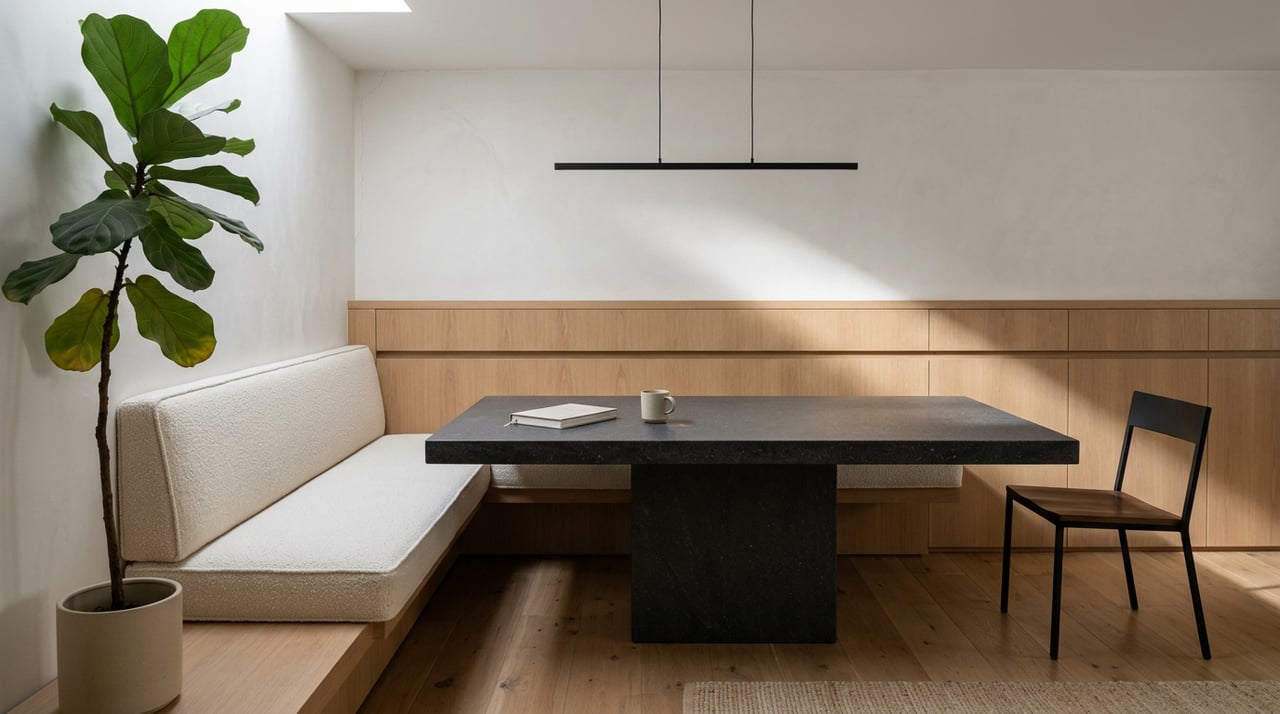
For 75 years, the building at 7766 Girard Avenue was Adelaide's, the flower shop where generations of La Jolla families ordered arrangements for weddings and funerals before the shop finally moved to Silverado Street in September 2020. This year the same address is becoming Roseacre, a six-room restaurant project from designer Paul Basile and interior designer Jules Wilson, with two-Michelin-starred chef Erik Anderson running the kitchen. It is the most-watched opening the Village has seen in years, and the person who built it has been unusually direct about who he built it for. Basile has said he picked Girard over a spot closer to Prospect specifically because it sits away from the more tourist-heavy stretch of the neighborhood. The goal, in his words, was somewhere locals would feel comfortable walking into on a Tuesday.
That single decision says more about what is happening to La Jolla's dining scene in 2026 than any list of new openings could. The neighborhood has spent the past twelve months adding restaurants at a pace it has not seen in a decade, and the obvious story is the one you have probably already read elsewhere: La Jolla finally has a food scene worth bragging about. The story underneath it, the one that actually matters if you live here, is where those restaurants are landing and why. The Village and the UTC corridor are being built for two different jobs, and understanding the split is the difference between fighting for a table you used to get easily and knowing exactly where to go instead.
Walk the three or four blocks of Girard, Pearl, and Wall Street and you will find a run of openings that share one trait: none of them are chasing visitors. Cala La Jolla Cafe opened on Girard in April, a coffee and pastry counter named for La Jolla Cove and owned by longtime local Amy de Leon. A block over on Pearl Street, El Pueblo opened that same month in a corner that had sat empty since a Jack in the Box closed there in 2021. The Bishop's School had bought the property for $5.5 million that September and used it for bus parking while a lease fell through, so the space had been dead space on foot for four years before El Pueblo, which already runs locations in Del Mar, Cardiff, Carmel Valley, and Carlsbad, brought its made-in-house salsas and hand-shredded cheese to fill it. Cazadores Mexican Grill is adding a Wall Street location to a block that has historically catered more to tourists passing through than to residents stopping in. And in December, Roppongi reopened after a decade dark, with owner Sami Ladeki citing years of local requests as the reason he brought it back.
None of these operators need a diner from Encinitas or Poway to make the math work. They need the people who already live within walking distance, which is a bet that would not have made sense in the Village five years ago.
UTC and the Torrey Pines corridor are running the opposite play. Fleurette opened inside La Jolla Commons in December 2025, a 6,000-square-foot Côte d'Azur-inspired restaurant with dual wine rooms holding 3,000 bottles between them, and it has been the hardest reservation to land in San Diego for months. Katsuya Ko followed in February with a robata-centered room. JOEY La Jolla opened at Westfield UTC on April 23 under executive chef Matthew Stowe, a Top Chef alum, bringing a globally inspired menu built for lunch, happy hour, dinner, and late night. And by the end of summer, Ikaria is set to open at One Alexandria Square near Torrey Pines Golf Course, a two-story, roughly 250-seat Eastern Mediterranean project from the Puesto and Marisi team, designed by the Rockwell Group, the same firm behind Din Tai Fung and Nobu locations worldwide.
These are destination rooms by design. Valet, scale, a full evening built around the meal. They are meant to pull from across the county, and they will.
Here is the part that runs counter to how most people read a restaurant boom. More openings usually means more competition for the tables you already know and love. In La Jolla right now, it means the opposite, because the UTC corridor is absorbing exactly the kind of out-of-neighborhood traffic that used to spill onto Girard and Prospect looking for the one place worth the drive. When that traffic has Fleurette, Katsuya Ko, JOEY, and soon Ikaria to fill an evening, it has less reason to circle the Village hunting for a table at the spot everyone is talking about.
That leaves the Village restaurants to do what Basile said Roseacre was built to do: serve the people who live within a ten-minute walk. Cala at eight in the morning and Roseacre at eight at night are going to feel like neighborhood spots in a way Girard has not managed in years, because the restaurants competing for out-of-town dollars have somewhere else to be.
None of this changes what La Jolla is. It changes what a random Tuesday looks like if you live here. For the first time in a while, a resident has a real answer to almost any dinner request without leaving the 92037. The casual coffee stop, the fast-casual Mexican lunch, the serious tasting menu, all of it is now walkable, and none of it requires competing with a bachelorette party from downtown for the last table.
The dining shift is not the only thing stacking up this month. Three fixtures are landing within nine days of each other, and each pulls a different piece of the neighborhood outside for a reason that has nothing to do with a restaurant reservation.
Layer that against the dining split and a pattern comes into focus. La Jolla is not quietly winding down as summer tourist traffic recedes. It is building in both directions at once, adding rooms that keep the Village walkable for residents while UTC absorbs the crowds and the cultural calendar keeps stacking dates that give people a reason to be outside. The version of a slow September that gets described to visitors, fewer crowds, easier parking, is not really what residents are living through this year. It is a fuller month than usual, just fuller in ways that are easier to enjoy because they are finally built with the people who live here in mind.
If you are watching how a neighborhood like this evolves, whether from a Girard Avenue balcony or a Bird Rock side street, the pattern is worth paying attention to beyond just where to eat dinner. Ann Marie Luna has spent years reading exactly this kind of shift in La Jolla and the surrounding coastal communities. If you want a considered take on what any of it means for a property you own or one you are watching, reach out. Let's Connect — Schedule a Confidential Consultation.
Stay up to date on the latest real estate trends.
Ann Marie specializes in helping clients with luxury, investment, and/or distressed properties, offering fast and reliable services across Los Angeles, Ventura, Orange, and San Diego Counties. Contact her today to discuss your situation and prepare your property for sale.

2424 Huntington Drive San Marino, CA 91108