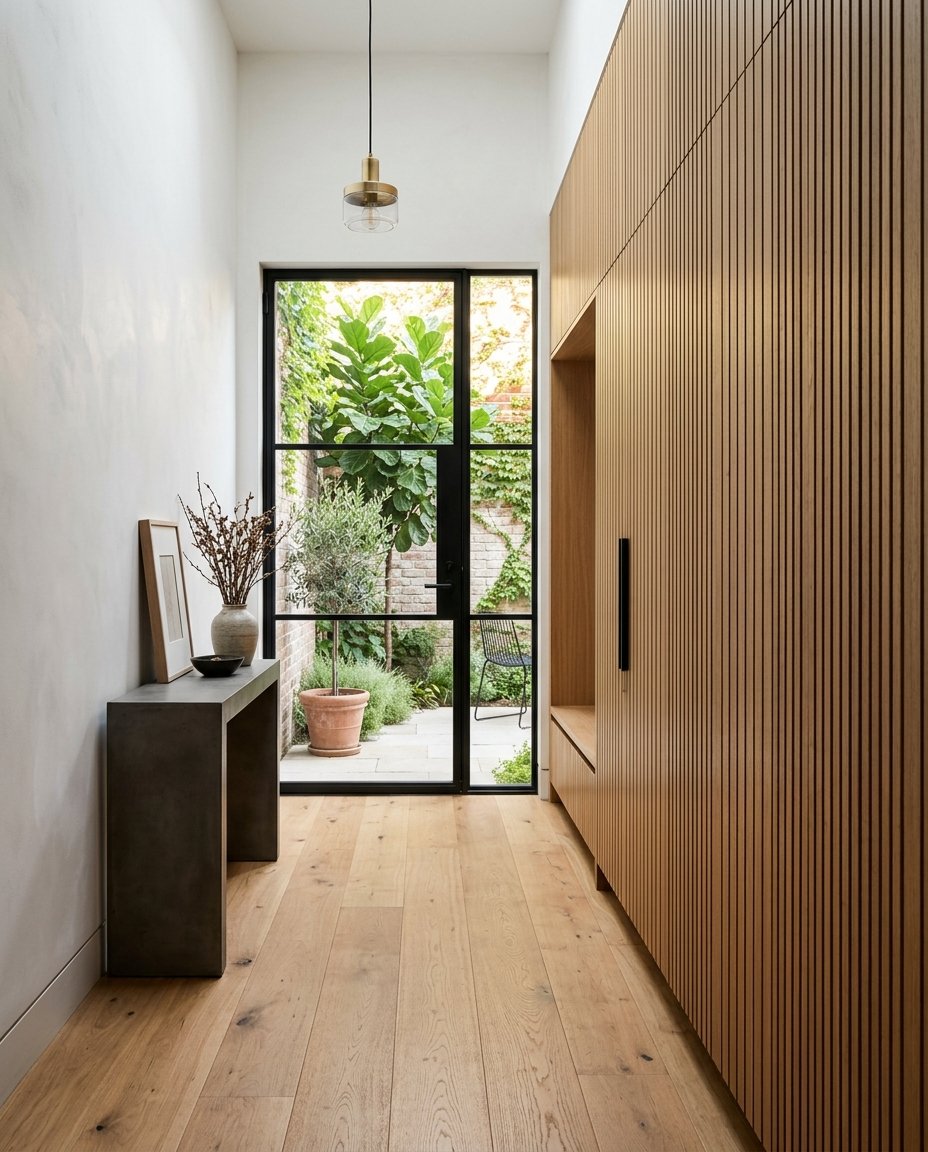
San Diego County Lock and Leave Condos Guide
June 25, 2026
June 25, 2026
If you love San Diego County but do not love the idea of constant home upkeep, lock-and-leave luxury living may be exactly what you are looking for. Many buyers want a home that feels elevated and private, yet easier to manage when work, travel, or a second-home schedule pulls them away. This guide will help you understand where this lifestyle fits in San Diego County, what you can expect from these properties, and what to review before you buy. Let’s dive in.
In San Diego County, convenience has real value. The San Diego Association of Realtors reported a countywide median residential price of $900,000 in May 2025, while attached homes came in at $690,000. That price gap helps explain why many buyers look at luxury condos and townhome-style residences as a smart way to enjoy prime locations and lower-maintenance living.
This matters even more in a market where affordability remains a challenge. SDAR also noted that down payments for median-priced homes often exceed $170,000. For buyers who want a refined home without taking on the full maintenance load of a detached property, attached luxury can offer a practical and lifestyle-driven alternative.
A lock-and-leave home is appealing because you can be away for extended periods while the homeowners association handles much of the common-area responsibility. That does not mean you have no obligations, but it often means fewer day-to-day exterior concerns. For frequent travelers, second-home owners, and busy professionals, that tradeoff can be very attractive.
San Diego County offers several distinct attached-home submarkets. The phrase lock-and-leave luxury can mean very different things depending on where you want to live, how close you want to be to the coast, and what kind of building experience you prefer.
June 2024 SDAR zip-code data for attached homes shows just how broad the market is. Median attached prices reached $1.58 million in Coronado, $1.246 million in Solana Beach, $1.218 million in Del Mar, $1.085 million in Point Loma, and $1.055 million in Pacific Beach/Mission Beach. By comparison, attached medians were $765,000 in Downtown and $565,000 in Mission Valley.
That range gives you real lifestyle choice. In some areas, luxury may mean coastal proximity and a smaller, high-value footprint. In others, it may mean a full-service urban tower, newer amenities, or a centrally located residence that supports an easier everyday routine.
Coastal submarkets often command stronger attached pricing because buyers place a premium on location, access, and convenience. In places like Coronado, Del Mar, Solana Beach, Point Loma, and Pacific Beach/Mission Beach, attached luxury can offer a way to enjoy a sought-after setting without the upkeep of a larger detached property.
These homes often appeal to buyers who want to spend more time enjoying the area and less time managing the property. If your goal is a streamlined ownership experience near the coast, these areas are often part of the conversation.
Downtown and Mission Valley show another side of lock-and-leave living. Here, the draw may be building services, secure access, elevators, structured parking, and proximity to business, dining, and entertainment districts.
For some buyers, that blend of convenience and lower maintenance is the real luxury. If you want a home that supports a fast-moving schedule or regular travel, these areas can offer strong practical appeal.
Lock-and-leave luxury is not defined by one exact property type. The California Department of Real Estate explains that a townhome is an architectural style, not a legal ownership category. A townhome-style residence may be legally structured as a condominium or a planned development, so it is important to confirm the legal form rather than assume it from appearance alone.
Many of these homes are part of common interest developments managed by homeowners associations. In California, HOAs typically enforce governing rules, require membership, and collect assessments. That structure is a big part of what makes lock-and-leave ownership possible.
You may also find features that create a more private feel within an attached setting. The DRE notes that patios, balconies, driveways, and parking spaces can be designated as exclusive-use common area. In practical terms, that can help a condo or townhome-style home feel more personal while the association still maintains broader shared elements.
Recent San Diego attached listings frequently highlight amenities that support a travel-friendly lifestyle. Depending on the building or community, you may see features such as:
These amenities can make a major difference in how the home functions day to day. They help turn a low-maintenance property into one that feels truly designed for convenience, security, and ease.
A lock-and-leave property can simplify ownership, but it is not the same as owning without responsibilities. In most cases, you are trading some autonomy for reduced exterior maintenance, shared amenities, and a structure that supports more flexible time away from home.
That trade can be a very good one if it matches your priorities. It may be less appealing if you want broad freedom over exterior changes, a large private yard, or fewer use restrictions. Understanding that balance early can help you narrow your search with more confidence.
In luxury attached living, the HOA matters almost as much as the residence itself. Monthly dues, operating rules, reserve funding, and project condition can affect your costs, your flexibility, and even future resale.
California Civil Code requires sellers of common interest development interests to provide buyers with key documents and disclosures. These include governing documents, fee and assessment information, unresolved violation notices, a statement about rental prohibitions, requested board minutes, and the most recent exterior-elevated-elements inspection report.
That disclosure package deserves careful review. A polished lobby and beautiful interiors may catch your eye first, but the long-term ownership experience often depends on the health and management of the association behind the scenes.
As you evaluate a lock-and-leave property, pay close attention to:
These items can shape both your budget and your flexibility. In a lock-and-leave purchase, they are not minor details. They are central to the decision.
California law requires reserve planning for qualifying associations. Under Civil Code section 5550, reserve study inspections must occur at least once every three years when the reserve threshold is met, and the study must identify major components, useful life, estimated repair costs, and the annual contribution needed to fund them.
This is important because a lower-maintenance lifestyle still depends on real maintenance happening in the background. If reserves are weak or major repairs are approaching, your ownership costs could change.
For condominium projects, Civil Code section 5551 also requires visual inspection of a statistically significant sample of certain exterior elevated elements at least every nine years, with the first inspection due by January 1, 2025. The law applies to features such as balconies, decks, stairways, walkways, and railings that meet specific structural criteria. For buyers in San Diego County, this makes current inspection status an especially relevant due diligence item.
Some buyers are drawn to lock-and-leave homes because they hope to rent them out when not in use. That can be possible in some cases, but you should never assume full rental flexibility.
California Civil Code section 4525 requires disclosure of rental prohibition information, and section 4740 limits some HOA rental bans without removing all restrictions. That means the governing documents still matter.
If the property is in the City of San Diego, rentals of less than one month require a short-term residential occupancy license, and a host may hold only one license at a time and may not operate more than one dwelling unit for short-term occupancy at a time. In the unincorporated county, a stay of fewer than 30 consecutive days is treated as a short-term rental. If rental use is part of your plan, this is an area where careful review is essential.
Lock-and-leave luxury is usually a strong fit if you value security, convenience, and simplicity. It can work especially well if you travel often, split time between homes, or prefer an ownership model with less hands-on exterior upkeep.
It can also be a smart choice if you are comfortable with HOA dues and community rules in exchange for amenities, shared maintenance, and a more travel-friendly property. For many buyers, that is a very worthwhile exchange.
The best purchase is the one that matches how you actually live. In San Diego County, lock-and-leave luxury can mean a coastal retreat, a polished urban residence, or an amenity-rich attached home in a well-managed community. The right fit comes down to your priorities, your budget, and how much convenience you want your home to deliver.
If you are weighing luxury attached options in San Diego County and want a more precise, high-touch review of the market, Ann Marie Luna can help you evaluate the lifestyle, the numbers, and the due diligence with care.
Stay up to date on the latest real estate trends.
Ann Marie specializes in helping clients with luxury, investment, and/or distressed properties, offering fast and reliable services across Los Angeles, Ventura, Orange, and San Diego Counties. Contact her today to discuss your situation and prepare your property for sale.

2424 Huntington Drive San Marino, CA 91108