Thinking about adding an accessory dwelling unit to your Los Angeles County property? You are not alone. ADUs can unlock rental income, support multigenerational living, and boost long‑term resale value when done right. In this quick guide, you will learn the statewide rules that make ADUs possible, what changes across LA’s major jurisdictions, and the steps to move from idea to approved plans. Let’s dive in.
California ADU basics you should know
State law makes ADUs and junior ADUs easier to build and limits how much local governments can say no. Most compliant ADUs are approved ministerially, which means by right when you meet objective standards.
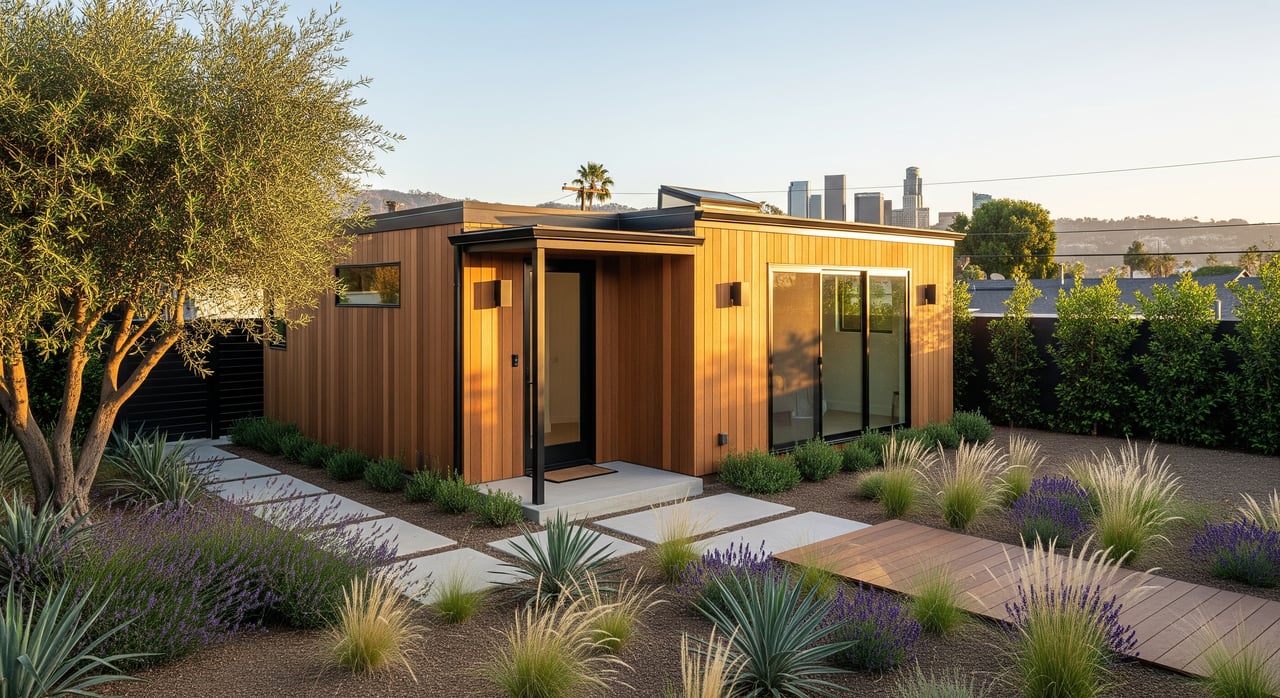
- ADUs are independent homes on the same lot as a primary residence, either attached or detached.
- Junior ADUs are smaller units created within the existing home or an attached garage. State statute commonly caps JADUs at 500 square feet.
- Many jurisdictions allow detached ADUs up to larger sizes, with 1,200 square feet often cited as a common ceiling, but exact numbers vary by city. Always verify local standards before you design.
Parking rules are more flexible than many expect. You often do not need new parking if your ADU is within a short walk of public transit, converts existing living area or an existing accessory structure, sits in a historic district, or is in a permit district where the occupant cannot obtain a permit.
Owner‑occupancy is another key shift. State law generally prevents cities from requiring you to live on the property to approve a new ADU, which helps with rental flexibility.
For a clear overview of these statewide foundations, review the California Department of Housing and Community Development’s guidance on Accessory Dwelling Units.
Why jurisdiction matters in LA County
“Los Angeles County” includes the City of Los Angeles, Long Beach, Glendale, and many other cities, plus large unincorporated areas. Each permitting authority publishes its own ADU checklists, size limits, setbacks, fees, and timelines. Your first step is to confirm who issues permits for your property and use that agency’s ADU resources.
If you are not sure whether your property is inside a city or in unincorporated county, the planning department listed on your property tax bill is a good clue, and you can always call the relevant counter for help.
Key design and site constraints
Every site is different. Before you sketch floor plans, confirm a few fundamentals.
- Utilities and hookups. Check sewer access, water capacity, and electrical service. Conversion projects often avoid new service laterals, while detached units may need trenching or panel upgrades. If you are on septic or a private well, special rules and higher costs may apply. The Los Angeles County Sanitation Districts publish connection requirements and fees for many areas.
- Access, fire, and egress. Driveway access, fire department access, and clear egress routes matter, especially in hillside or narrow‑street neighborhoods. Expect fire review where applicable.
- Setbacks, height, and lot coverage. State law curbs the most restrictive limits, but local setbacks, height, and coverage rules still apply. Confirm these early with your permitting agency.
- Parking. Many LA County parcels sit within transit‑rich corridors that qualify for parking exemptions. Document your exemption on the site plan to streamline review.
Permitting steps and timeline
ADU permits are typically processed ministerially if your plans meet objective standards. Here is a common path from concept to keys.
- Determine your permitting jurisdiction and zoning. Confirm if your address is in a city or unincorporated county. Note any specific overlays, historic districts, or HOA rules that may affect design.
- Schedule a pre‑application conversation. Many counters offer intake meetings to flag issues like topography, easements, or access.
- Prepare a complete submittal. Typical packages include a site plan, floor plans, elevations, structural details, Title 24 energy documents, and utility connection plans. Include parking notes and any soils or geotechnical reports if needed.
- Plan check and corrections. Agency review can take several weeks to months, depending on complexity and completeness. Nonconforming designs can require discretionary steps that add time.
- Inspections and final occupancy. After construction, pass inspections to receive your certificate of occupancy.
Costs, fees, and financing
Hard and soft costs vary by type. Conversions of existing space are usually the most economical. New detached units can run higher due to foundation work, roofing, site grading, and utility trenching.
Expect plan check fees, school district fees where applicable, and utility connection or capacity charges that differ by city and provider. Property taxes typically increase based on the added value of the ADU improvement, not a full reassessment of your existing home. For guidance on how improvements are assessed, consult the Los Angeles County Assessor.
Financing can come from construction loans, home equity, or specialized ADU loan products. Lender requirements vary, and some appraisals may consider anticipated rental income.
Renting your ADU and resale value
ADUs often increase rental income potential and make a property more attractive to a wide range of buyers. Buyers and lenders place a premium on legal compliance, so keep a clean file with approved plans and a certificate of occupancy.
- Owner‑occupancy. State law generally restricts cities from requiring owner‑occupancy for new ADUs, which gives you flexibility to rent the main home, the ADU, or both. Verify any exceptions that may apply to older permits.
- Short‑term rentals. Rules vary by city. Some jurisdictions limit short‑term rentals or require registration. Check your city’s short‑term rental rules before you list.
- Resale positioning. Highlight permits, separate utility metering if applicable, and rental history or a professional rent pro forma. Buyers value clarity on legality, utilities, and maintenance responsibilities.
Quick homeowner checklist
- Confirm your permitting authority and zoning.
- Review HOA CC&Rs or private covenants early.
- Verify sewer, water, and power capacity and note any septic constraints.
- Map setbacks, access, and any easements on a base site plan.
- Prepare code‑compliant plans and Title 24 energy documents.
- Ask about school fees, utility connection charges, and fire review.
- Update insurance to reflect a second dwelling.
- Plan for supplemental property tax on the improvement.
- Decide on long‑term rental strategy and local short‑term rules.
Ready to explore an ADU as part of your broader real estate strategy? If you want a discreet, credentialed advisor to help you weigh costs, rental potential, and resale impact across Los Angeles neighborhoods, connect with Ann Marie Luna for a confidential consultation.
FAQs
What is the difference between an ADU and a JADU in Los Angeles County?
- An ADU is a self‑contained home on the same lot as your main residence, while a junior ADU is a smaller unit created within the existing home or an attached garage, commonly capped at 500 square feet by state statute.
What are the parking rules for ADUs near transit in Los Angeles County?
- State law provides exemptions from new parking when the ADU is within a short distance of public transit or when converting existing space; confirm your site’s eligibility during plan design.
Do I have to live on the property to rent out a new ADU in Los Angeles County?
- Generally no; state law restricts local owner‑occupancy requirements for new ADUs, though you should verify any narrow exceptions that apply to older permits or local programs.
How long does ADU permitting take in Los Angeles County?
- Ministerial review shortens timelines, but plan check and corrections can still take weeks to months depending on submittal completeness, site conditions, and any special overlays.
Will building an ADU increase my Los Angeles County property taxes?
- Typically yes, but only on the added value of the ADU improvement; consult the Los Angeles County Assessor for how supplemental assessments work.
Can I use an ADU for short‑term rentals in Los Angeles County?
- It depends on your city’s rules; some jurisdictions limit short‑term rentals or require registration, so check your local ordinance before listing.